R. Murray Schafer and Soundscapes
I started reading about R. Murray Schafer and his ideas about soundscapes. In his book The Soundscape: Our Sonic Environment and the Tuning of the World (1977), he explores how we hear and understand the sounds around us.
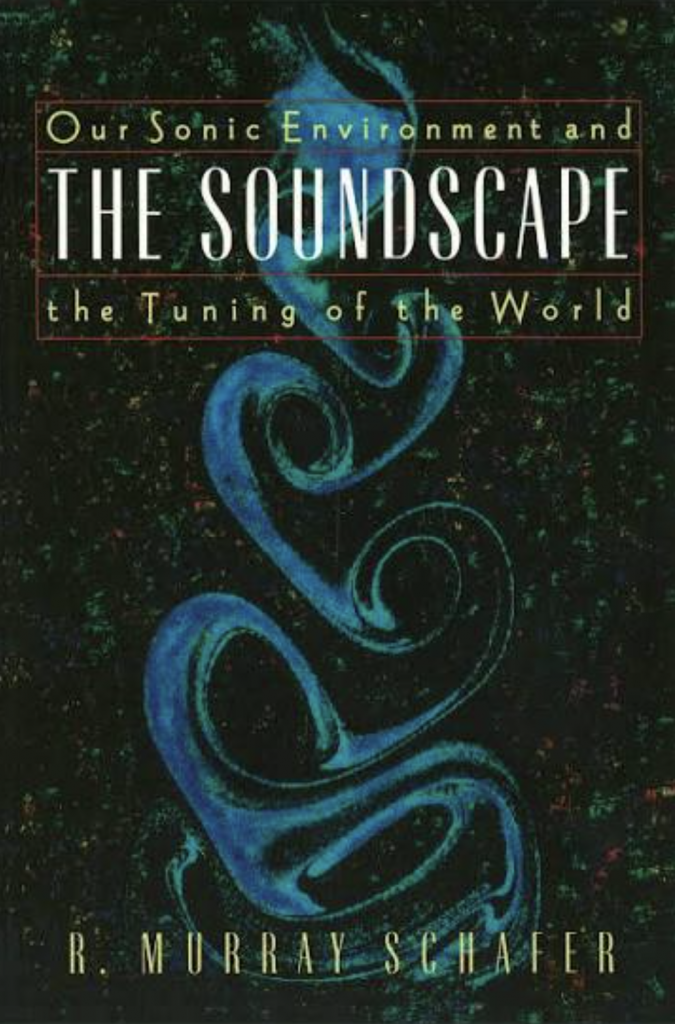
One thing I found interesting is that a sound environment is not made up of only one sound. It is made up of different sounds that exist together. Some sounds are continuous, while others appear and disappear. The distance and volume of sounds can also change how we experience an environment.
This made me think about how I can build a soundscape using synthesised sounds. Instead of making one sound and trying to make it realistic, I could combine different layers and let them change over time. I want to explore how these sounds work together to create a sense of space.
Timothy Morton and the Idea of Nature
I also started reading Timothy Morton’s Ecology Without Nature: Rethinking Environmental Aesthetics (2007).
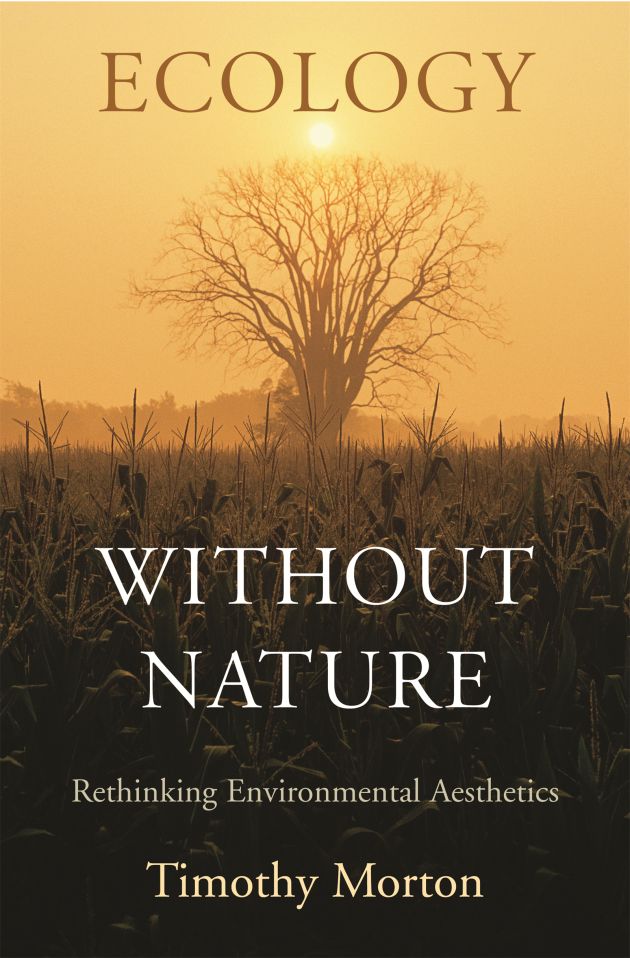
Morton questions the way we usually think about nature. He suggests that our ideas about nature are influenced by culture and art. The way nature is shown or described can affect how we understand it.
This made me think about how nature is presented in films, games and other artworks. For example, sound design can help create an image of a forest, an open field or a storm, even when we cannot see the environment clearly.
I found this idea useful for my project because it made me think more carefully about how we recognise something as natural. I do not think Morton directly explains how synthetic sounds work, but his ideas give me another way to think about the relationship between nature, art and sound.
What I Learned from This Research
Schafer and Morton helped me think about my project from two different directions.Schafer helped me think about how different sounds can work together to create a soundscape. Morton made me think about how our ideas about nature can be influenced by art and culture.
I want to use these ideas to guide my sound experiments. For example, I can change the layers, texture and movement of a synthesised sound and listen to how the result changes. I can also ask other people what they imagine when they hear these sounds.
At this stage, I do not know whether people will always connect these sounds with nature. I want to find out through my own experiments rather than assume that the sounds will work in a particular way.
Leave a Reply
You must be logged in to post a comment.