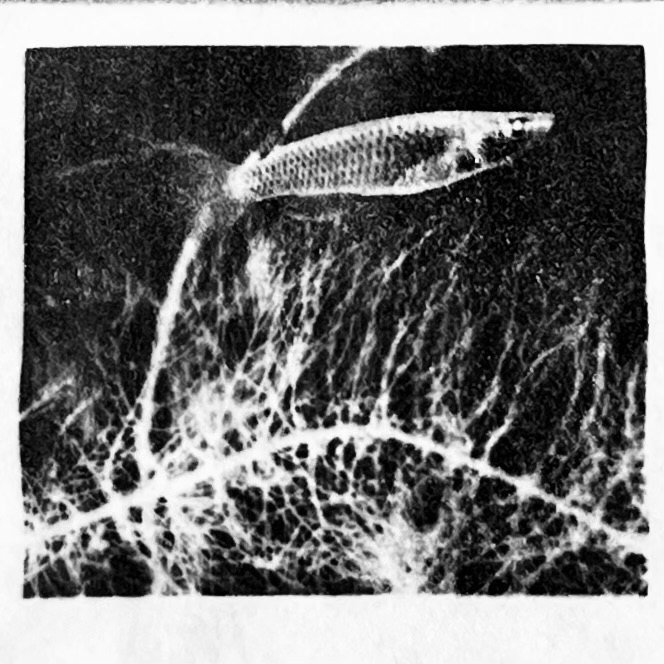
During the final screening, I was able to experience the project in a theatre environment for the first time. This became a very important experience for me because many sound details that worked well on headphones or studio monitors changed significantly once they were played in a larger space.
Before the final export, I had already spent a lot of time testing the audio, including:loudness control,dynamic range adjustment,low-frequency balance,peak limiting and overall output safety.
Because the second half of the film contains stronger low frequencies, synthesizers, and rhythmic intensity, I was initially worried that the sound might distort or “blow out” in the theatre system. As a result, I approached the final mix quite carefully and kept the overall output relatively controlled.
However, once the film was screened in the theatre, I realised the result shifted toward the opposite problem: the overall sound level felt too quiet.
Many subtle textures, reverberation layers, and high-frequency details became difficult to hear clearly within the theatre space. Some of the psychological tension and spatial atmosphere that I intended to create through detailed sound layering was therefore reduced.
The most noticeable issue was that the low-frequency rhythmic section in the second half still did not feel strong enough.
Although I had already added low-frequency pulses, tom drums, and additional rhythmic layers during production to increase the physical impact of the music, in the theatre these sounds remained more “audible” rather than truly “physical.” The sense of pressure and bodily intensity I originally wanted was not fully achieved.
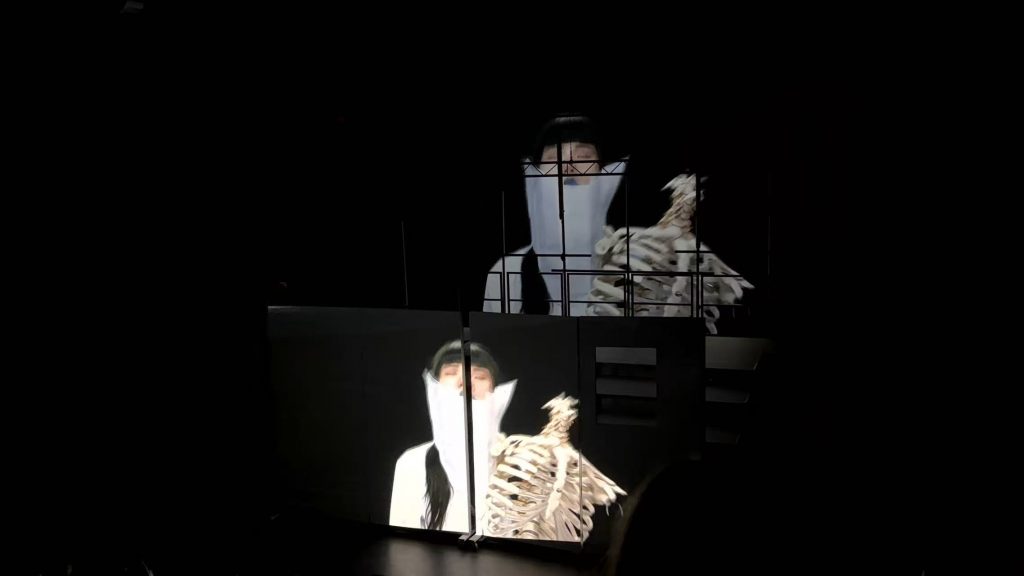
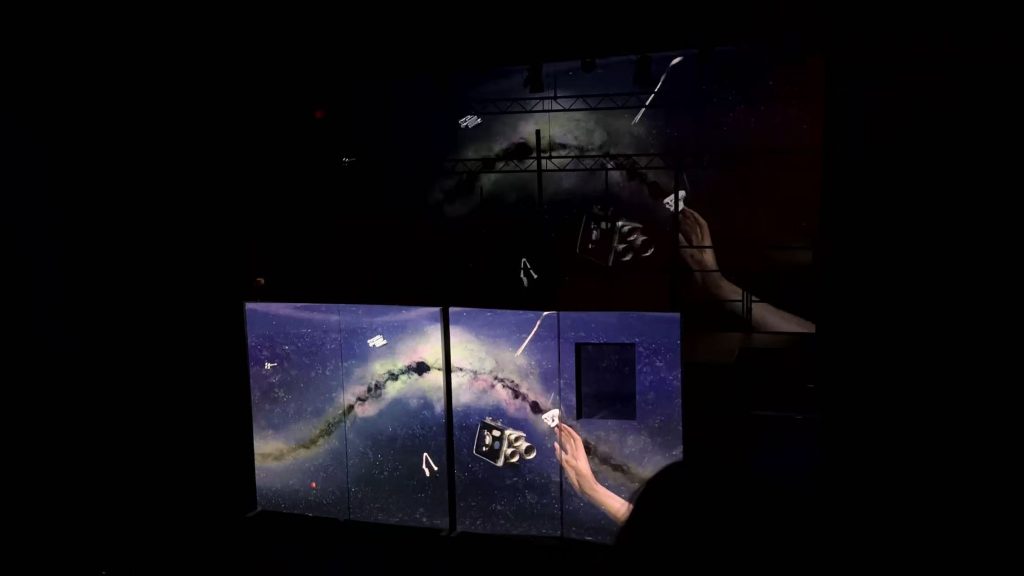
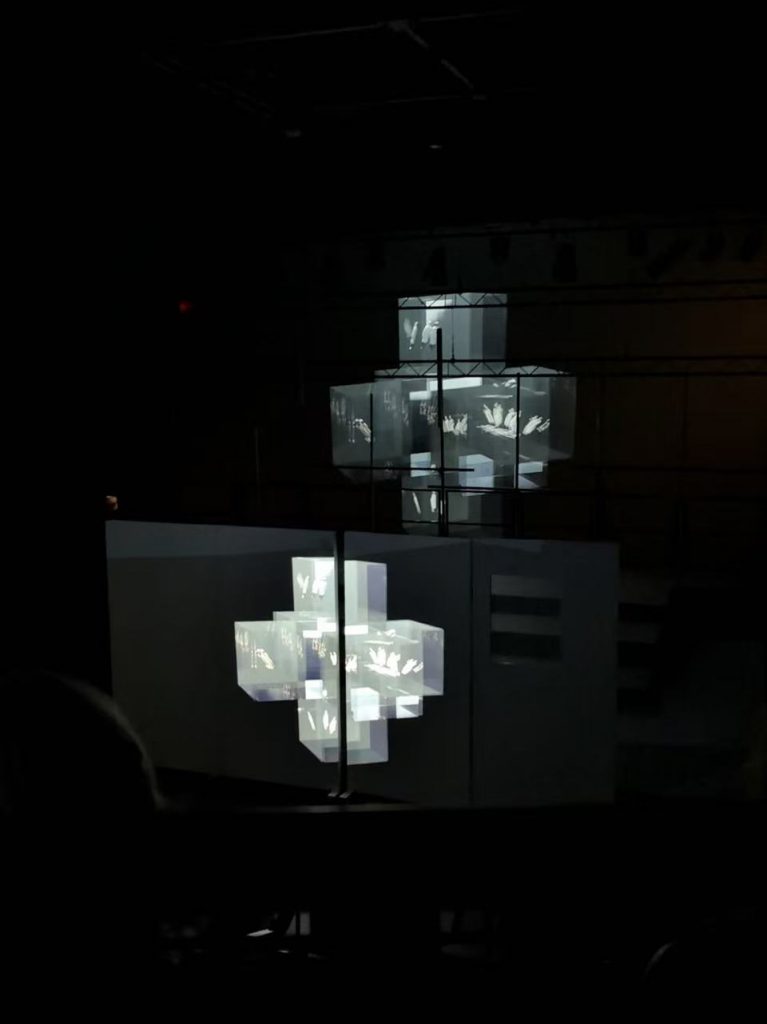
This experience made me realise how different theatre sound is compared to personal listening environments.
Many low-frequency details that feel obvious in headphones can become weakened in large spaces, while smaller textures may disappear because of room acoustics, speaker systems, or live playback adjustments.
At the same time, after watching other projects during the screening, I noticed that similar issues also appeared in several other works. Some films had relatively low overall volume or lacked dynamic clarity in the theatre environment. Because of this, I began to understand that the problem may not only come from my own mix, but could also be related to the theatre system, spatial acoustics, and playback calibration.
Even so, this screening experience made me rethink the difference between “making sound for headphones” and “making sound for cinematic space.”
Previously, most of my decisions were based on headphones and near-field monitors, where I focused heavily on subtle layering and internal sound detail. However, theatre environments demand something different: stronger dynamic contrast, spatial projection, physical low-frequency energy, bodily sensation, sounds that can survive large acoustic spaces.
I gradually realised that some sound ideas which feel sufficient in personal listening environments may need to become much more exaggerated and physically present in a theatre setting.
This experience also made me think more deeply about the physical relationship between sound and space. In experimental moving image work, music is not only something that is “heard,” but something that can affect the audience physically through vibration, pressure, dynamics, and spatial movement.
Overall, although the final screening revealed many technical limitations and spatial adaptation problems, it also became an important learning experience for me. I realised that sound design does not end when exporting the final file; instead, sound continues to be redefined through different playback environments and audience perception.
In future film and experimental moving image projects, I will pay much more attention to theatre playback systems, spatial acoustics, and how sound translates across different listening environments.
Leave a Reply
You must be logged in to post a comment.