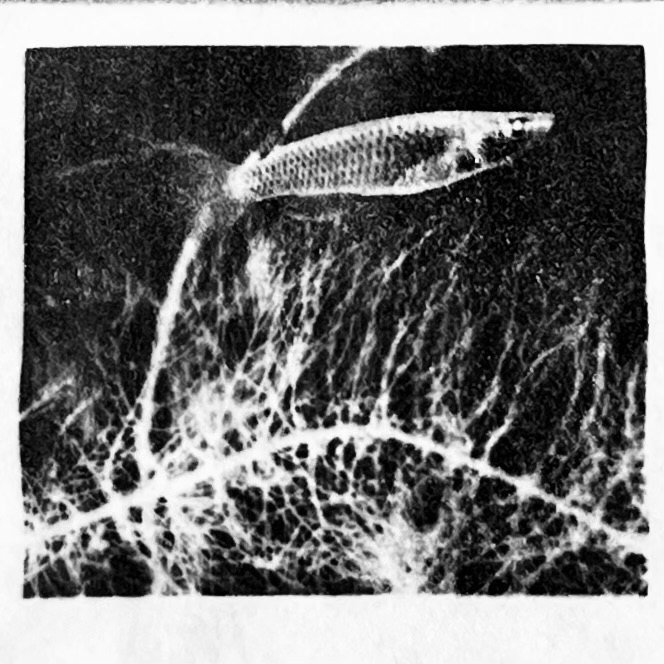
This animation project is an interdisciplinary collaboration in which I am responsible for the sound design component. The work explores autobiographical memory through spatial storytelling, focusing on how repeated relocation and unstable domestic environments shape emotional attachment.
The central concept of the animation is based on my personal experience of frequently moving between different homes. Rather than focusing on the physical movement itself, the project investigates how psychological attachment is formed in fragmented and unstable domestic conditions. Lu(the animation artist) developed the idea of “micro-attachment,” referring to the creation of small, controllable personal spaces within larger environments that otherwise feel emotionally or structurally unstable.
Within this framework, Lu began to define a distinction between “home as physical structure” and “home as emotional territory.” Although the physical houses changed repeatedly, her emotional attachment consistently formed within smaller internal spaces, which she describes as “secret bases.” These spaces represent autonomy, safety, and personal control within environments where larger domestic authority structures (such as parental control) were present.
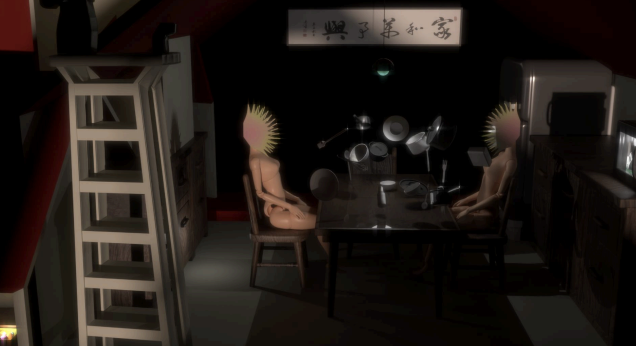
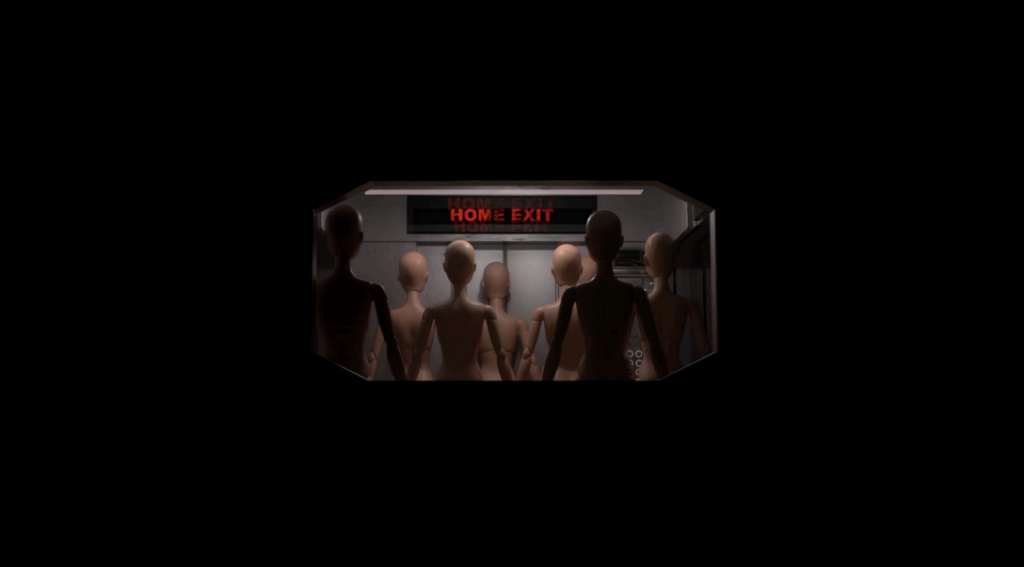
From a sound design perspective, this concept immediately suggested an experimental approach rather than a purely realistic one. I began to consider how sound could function as a representation of psychological space rather than physical reality. This positioned sound not as a supporting layer to visuals, but as an interpretive system capable of expressing memory, emotion, and spatial identity.
As a result, my initial direction is to develop a sound language that reflects emotional geography rather than literal environments. This includes exploring how sonic texture, rhythm, and spatialisation can represent memory fragmentation, emotional contrast, and the shifting perception of “home” across time.
Leave a Reply