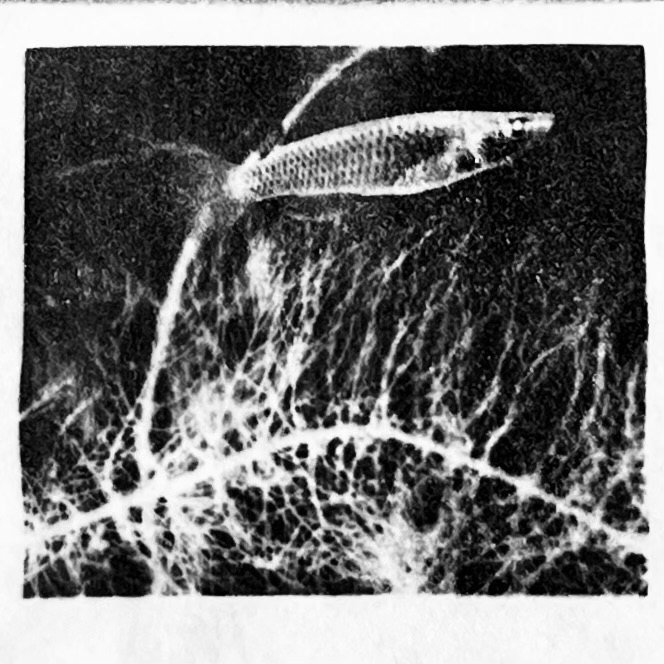
This week I began researching the concept of “natural sound” within sound art and field recording. I was initially interested in why certain sounds, such as birdsong, wind, or flowing water, are commonly understood as “natural,” while urban sounds like traffic, machinery, or electronic noise are often excluded from this category. I started thinking about how these distinctions are formed and whether they are based on the sounds themselves or on cultural ideas about nature.
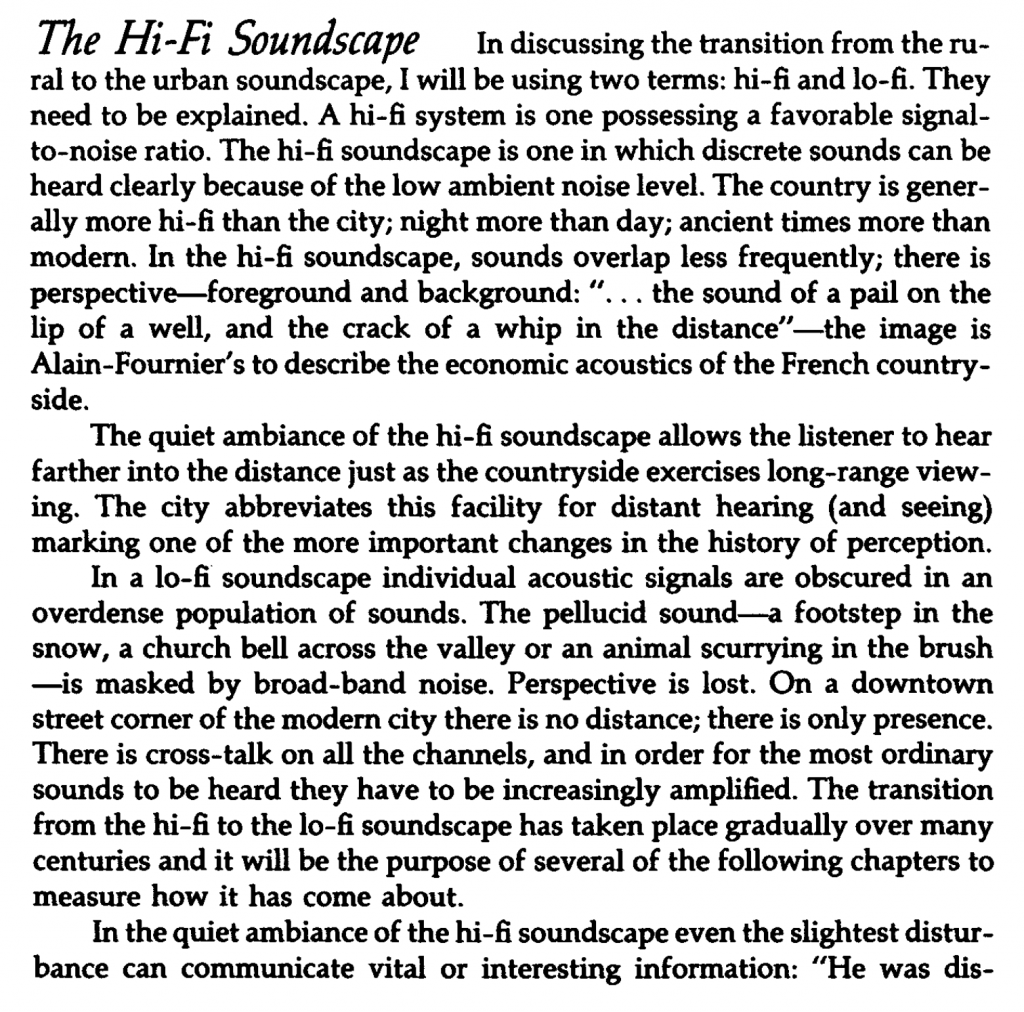
Through reading soundscape theory, especially the work of R. Murray Schafer, I realised that ideas of natural sound are closely connected to cultural values and listening habits. Schafer’s distinction between hi-fi and lo-fi environments positions nature as more balanced, clear, and pure, while urban environments are often associated with noise and overload. Although this theory has been very influential within sound studies, I also began to see how it creates an idealised image of nature that may not reflect the complexity of real environments.
I also began reading Timothy Morton, whose writing questions the idea of “nature” itself. Morton argues that nature is not something completely separate from humans, but a concept shaped through culture and ideology. This made me think that “natural sound” may not be an objective category, but something culturally constructed through listening habits, media representation, and environmental aesthetics.
At this stage, I am beginning to question whether recordings of nature are ever truly neutral or authentic. Even before recording begins, decisions are already being made about what counts as “natural” and what should be excluded. This has become an important starting point for both my essay and my creative sound project.
Leave a Reply