
Under the Skin
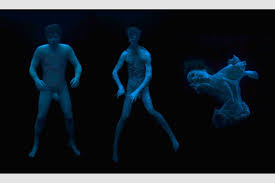
Under the Skin is not just a visually interesting movie—its sound design is also very strong. The music is especially important. It doesn’t just set the mood; it shows the characters’ inner feelings and works with the images to tell the story. The movie uses ambient sounds, like city noise, office whispers, and streets at night, to make the world feel real and reflect the characters’ loneliness. Sound effects, like heartbeats, breathing, and typing, are sometimes louder or softer to show tension or stress. The music is the most unique part. It acts like the voice of the characters’ minds, guiding the audience’s feelings quietly.
The music rarely shows emotions like “sad” or “scared” directly. Low strings and electronic sounds make you feel uneasy without being told. In fast, tense scenes, irregular electronic beats increase the pressure, while slow or reflective scenes use long, echoing sounds to let the audience feel the characters’ thoughts. Some sounds repeat in key moments, acting like subtle clues to the characters’ feelings and inner changes. These recurring musical motifs also create a sense of motive—they hint at themes like isolation, curiosity, or danger before the story shows them, preparing the audience emotionally for what is about to happen. When characters face moral choices, low strings and synths create a sense of pressure. In moments of solitude or deep thinking, soft, airy electronic sounds fill the space. During big emotional moments, sudden strange or noisy sounds give a strong psychological impact.
In Under the Skin, music is not just background. It shows the characters’ psychology and gives subtle motives for the story. Through tone, rhythm, and repeated musical themes, the music helps the audience not just watch the story, but feel the characters’ minds and anticipate their choices.

Leave a Reply