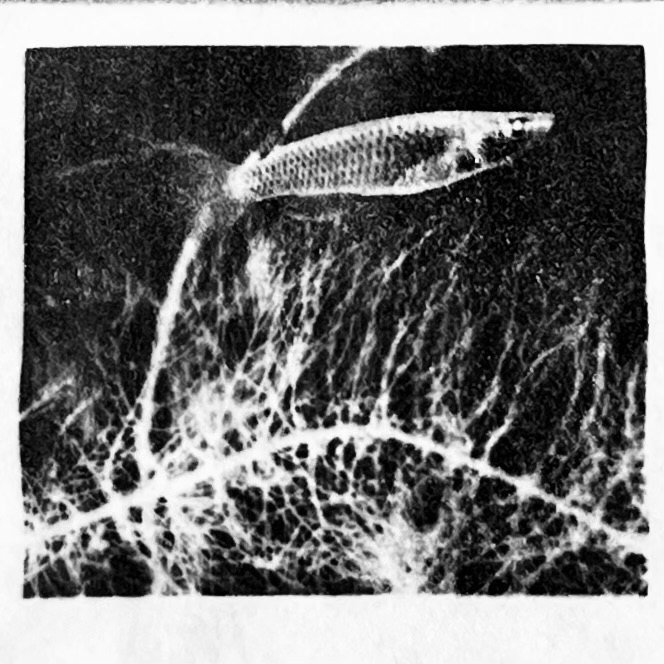
At this stage, I planned the overall structure of the audio paper to clearly show how broadcast gymnastics functions as a disciplinary soundscape. The audio lasts about 10 minutes and is divided into several sections: introduction, music and command analysis, collective behavior discussion, individual autonomy, and memory/cultural reflections.
To help listeners experience the soundscape, I layered different elements: the original broadcast recording, playground ambient sounds, water droplet sounds created using a modular synthesizer, and my narration. The broadcast remains clear and prominent, so rhythm and commands guide movement directly. The water droplet sounds are soft and scattered, contrasting with the strict rhythm, symbolizing small moments of autonomy or freedom. Using the synthesizer, I could precisely control the timing, volume, and spatial placement of each droplet, integrating them naturally with the ambient and broadcast sounds to enrich the layers and listening experience.
I also paid attention to narration pacing. Some parts include pauses to let listeners absorb the sounds and reflect. In sections discussing individual autonomy, water droplet sounds mix with footsteps and faint laughter to highlight micro-deviations within the collective order.
Schafer’s soundscape theory guided the design. The audio aims to reproduce how the broadcast occupies space and organizes action, showing the relationship between sound, behavior, and memory. Creative arrangement of sound and narration allows ideas to be conveyed directly through listening, not just text.
This structure helps listeners perceive discipline, rhythm, and cultural memory in broadcast gymnastics while understanding how sound organizes bodies and collective behavior.
Leave a Reply